For many years, part of the charm of the NCAA tournament was underdogs winning in the early rounds. March Madness was good for underdog bettors too.
After the past two tournaments, it might be time to reevaluate.
The NCAA tournament has become chalky. That was a big theme last season when favorites went 12-0 straight up over the second weekend, leading to all four No. 1 seeds making the Final Four. Bettors know the trend started in 2024.
From 2015-2023, underdogs were a profitable 136-115-2 against the spread in the first round, via Fox Sports. In 2024 there were 12 underdogs that won straight up in the first round, the most since 2001, but that masked a changing trend. Overall in the 2024 first round underdogs were 14-18 against the spread. It was more pronounced for the best teams. Over the first two rounds that year the top four seeds were 26-4 straight up and 21-9 against the spread, the best ATS record ever for top four seeds according to Evan Abrams of Action Network. Then last year favorites ruled again. Favorites of six or more points went 32-2 straight up and 22-12 against the spread.
Is all of this a sign that underdogs can’t compete anymore in the era of NIL and transfer portal makeovers? Or a relatively small sample blip that will correct itself? The 2026 NCAA tournament seems like a turning point in that debate.
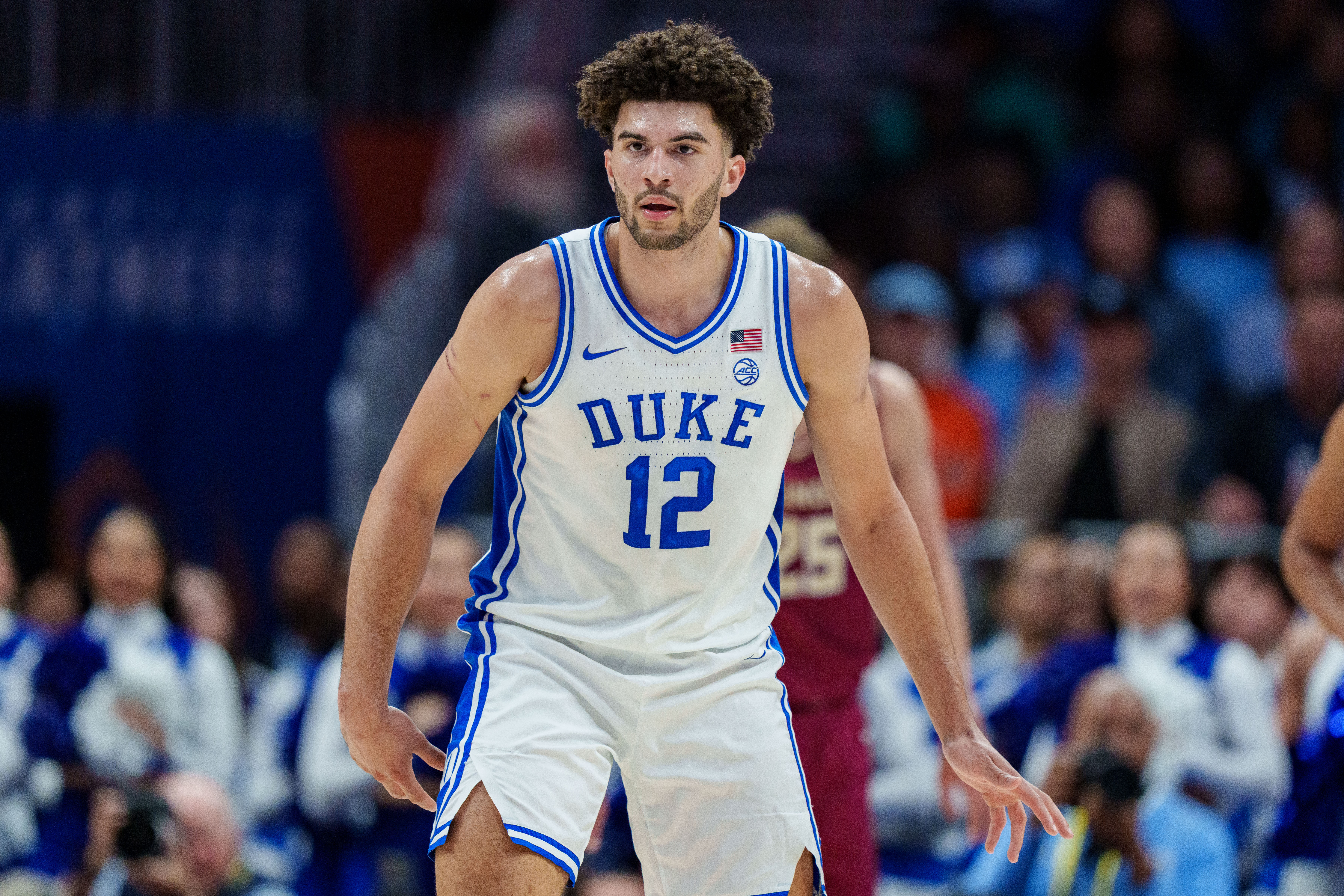
Will favorites continue to cover?
Last year’s first round started off with some normal chaos. Creighton, McNeese State, Arkansas and Drake all won straight up as underdogs among the first 12 games on the Thursday slate.
Then favorites took over, which would carry on through the rest of the tournament. Favorites were 19-13 in the first round and of the seven straight up upsets, only two had spreads of more than five points. McNeese State, which beat Clemson as a seven-point underdog, ended up being the biggest underdog to win in the first round.
Many betting trends can be written off as short-sample flukes. Results can ebb and flow from year to year. However, in this case, everyone understands the landscape of college sports has changed.
Rosters are changing over from year to year, and teams outside the Power Four and a few outliers in other conferences are having trouble holding onto their best players. Many of those schools from mid-majors or one-bid leagues are having a much tougher time maintaining the type of roster that has been together a few years and has a decent shot to knock off one of the top seeds. The top players from those No. 13 and 14 seeds of years past who pulled memorable upsets would have already transferred to an ACC school in this new era.
Those upsets are part of what made the NCAA tournament one of the most popular events on the sports calendar. Maybe that part is gone forever.
Gap against top teams getting wider
One of the storylines going into last season’s tournament was how strong the top few seeded teams were. The spreads reflected that.
The average first-round spread for No. 1 seeds going against No. 16 seeds jumped from 26 in 2024 to 30.1 last year. For the No. 2 seeds in the first round the average spread jumped from 18.1 in 2024 to 19 last year, and for No. 3 seeds it went from 12.6 to 14.1.
Part of that was the relative strength of the top 12 teams, but it also spoke to the gap between the best teams and the champions from the one-bid leagues getting even larger. From 2013 to 2017, the average spread for the No. 1 vs. No. 16 games in the first round was just 22.9 via Bookmaker. Last season was more than seven points above that. Only once from 2013-17 was a No. 1 seed favored by more than 26.5 points (2015 Kentucky was -35 against Hampton, which lost by only 23 points). Over the last two tournaments, six of eight No. 1 seeds have been favored by at least 27 points, including all four last season. No. 1 seeds are 6-2 against the spread in the first round over the last two tournaments, even with the larger lines.
This season, the No. 1 seeds with matchups set for the first round are laying plenty of points. Arizona is -29.5 against LIU and Duke is -28.5 against Siena at BetMGM. No. 1 seeds Florida and Michigan await their first-round matchup from the First Four games, but it seems likely those lines will be close to 30 or above it. But can the No. 16 seeds keep those games within 30?
If you’re a bettor who likes taking the underdog catching points, with some moneyline bets on those underdogs mixed in, finding winners is getting tougher. We might find out this March if there’s still any room for Cinderella at the dance.
About the Author
